What CDOB is
CDOB (Cara Distribusi Obat yang Baik) is Indonesia's Good Distribution Practice for medicines, set by the food and drug authority BPOM. It applies to pharmaceutical wholesalers (PBF), distributors and the logistics providers that move medicines for them. The current guideline is BPOM Regulation No. 20 of 2025, which updated the earlier rules under Regulations 9/2019 and 6/2020 and strengthened risk management and supply chain controls.
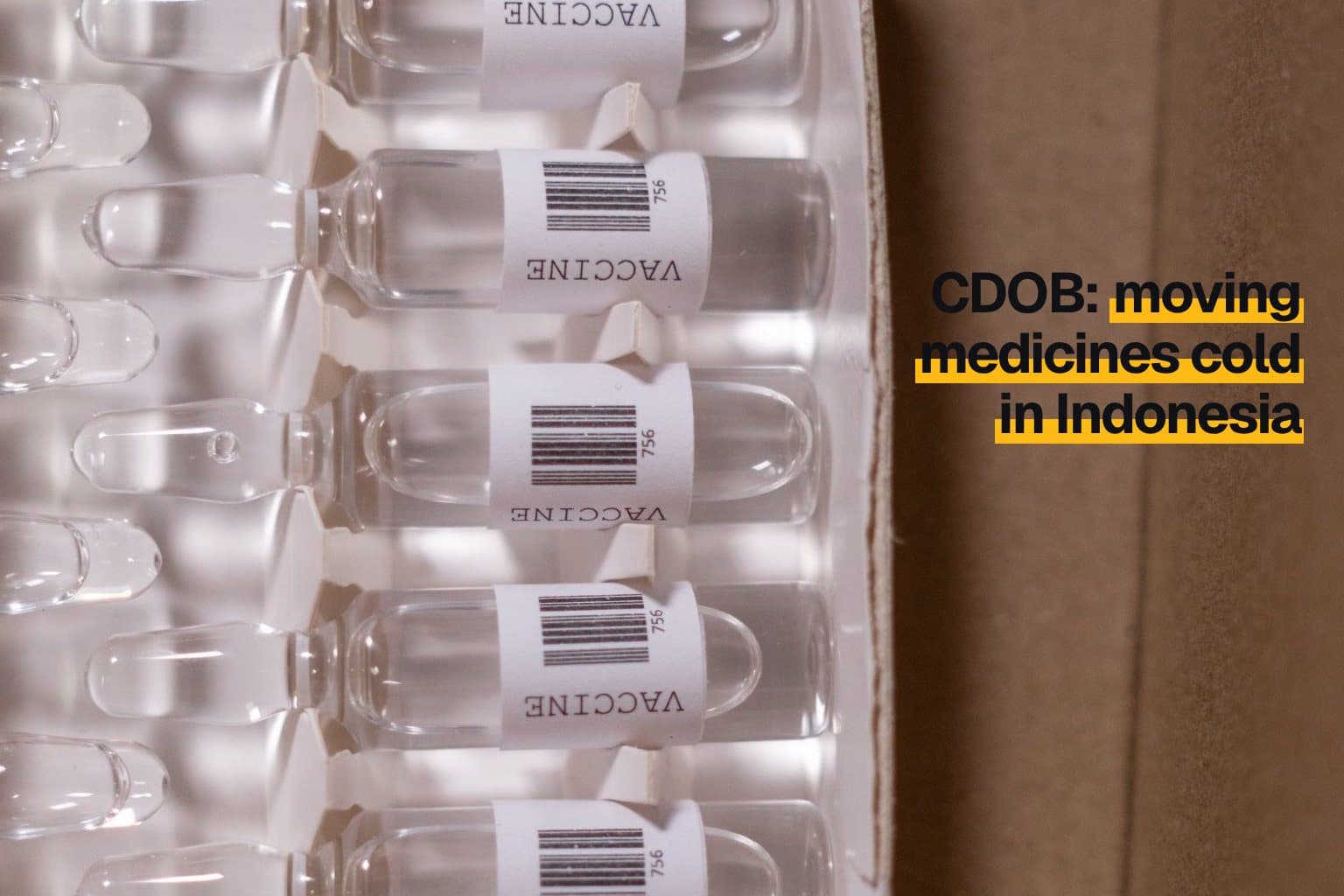
Cold chain products, such as vaccines, insulin and biologics, are the part of CDOB where transport matters most, because many must stay within narrow ranges such as 2 to 8°C.
What it expects of vehicles
Summaries of the 2025 regulation describe vehicles that are clean, in good condition and able to protect products from contamination; temperature control where products need it, with refrigerated vehicles for long or large deliveries; and a temperature monitoring system on board. Transit times must be managed so medicines, especially temperature-sensitive ones, are not held too long, and some products need insulated packaging and coolants as well.
Distributors also need written procedures, complete documentation and monitoring that covers every step, which is where transport records usually fall short.
Where cold chain transport goes wrong
Research on CDOB compliance in Indonesia links failures to medicine shortages, delivery delays and product damage during storage and transport. Typical causes are long waits at loading points, unplanned stops, door openings in heat and deliveries to outer islands where routes take longer than planned.
Showing compliance on each delivery
A temperature sensor in the cargo box linked to a GPS tracker records temperature, location and stops for every trip, with alerts when the temperature leaves its range or a vehicle stops too long. Those trip records give your quality team the evidence CDOB audits ask for, and help investigate an excursion quickly: where it started, how long it lasted and whether the product needs quarantine.
Pick sensors with calibration certificates, decide how long records are kept, and make sure exports can go into your quality system.
Frequently asked questions
What is CDOB?
CDOB is Indonesia's Good Distribution Practice for medicines, set by BPOM. The current guideline is BPOM Regulation No. 20 of 2025.
Do medicine delivery vehicles need temperature monitoring in Indonesia?
Summaries of BPOM Regulation 20/2025 say vehicles should have a temperature monitoring system, with temperature control where products need it.
What temperature do cold chain medicines need?
Many, such as vaccines and insulin, must stay between 2 and 8°C. Follow the label and the manufacturer's storage conditions for each product.
How can a distributor prove the cold chain held during transport?
Use calibrated temperature sensors linked to GPS tracking, which record temperature, time and location for every trip and alert on excursions.
Sources and further reading
Based on summaries of BPOM Regulation No. 20 of 2025 on Good Distribution Practice for medicines (CDOB) from MGM Bosco Logistics and the Malaysian Journal of Pharmaceutical Sciences (2026), and earlier CDOB guidance under BPOM Regulations 9/2019 and 6/2020. Read the regulation itself, or ask BPOM, for the exact clauses that apply to you.
- MGM Bosco: Drug distribution flow that complies with BPOM standards (July 2026)
- Malaysian Journal of Pharmaceutical Sciences: CDOB non-compliance in Indonesia (2026)
- Jurnal Farmaka: Cold chain product management under CDOB
- DHL: Navigating cold chain logistics in Indonesia
- SafarTrak: ETLE Hub Indonesia
Sources checked on . Written and reviewed by Yash Verma, Founder & CEO, SafarTrak. How we write · Suggest a correction
BRING IT TO YOUR FLEET
Start with your vehicles.
Ask the right questions.
Share your vehicle mix, existing devices and required signals with the SafarTrak team.
See SafarTrak cold-chain monitoringDiscuss your deployment